
Crowdstax Launch Playbook
Prepare a product page people can understand quickly.
Use this playbook to sharpen positioning, assets, timing, and launch-day response.
Last updated July 25, 2026
How to launch
Use these sections to prepare the product, maker context, review details, and feedback plan before you submit.
Starting prep
Set the audience, promise, assets, goals, and feedback path before you publish a product launch.
Read the guideStep 2 of 7
Key Concepts
Understand launch terms like positioning, beta, MVP, feedback loops, distribution, activation, and momentum.
Read the guideStep 3 of 7
Community Building
Build useful relationships before launch and turn early product attention into durable conversations.
Read the guideStep 4 of 7
Preparing for Launch
Turn product positioning, screenshots, pricing, docs, support, and tracking into a practical launch readiness plan.
Read the guideLaunch patterns
Practical launch patterns to use before publishing your own product story.
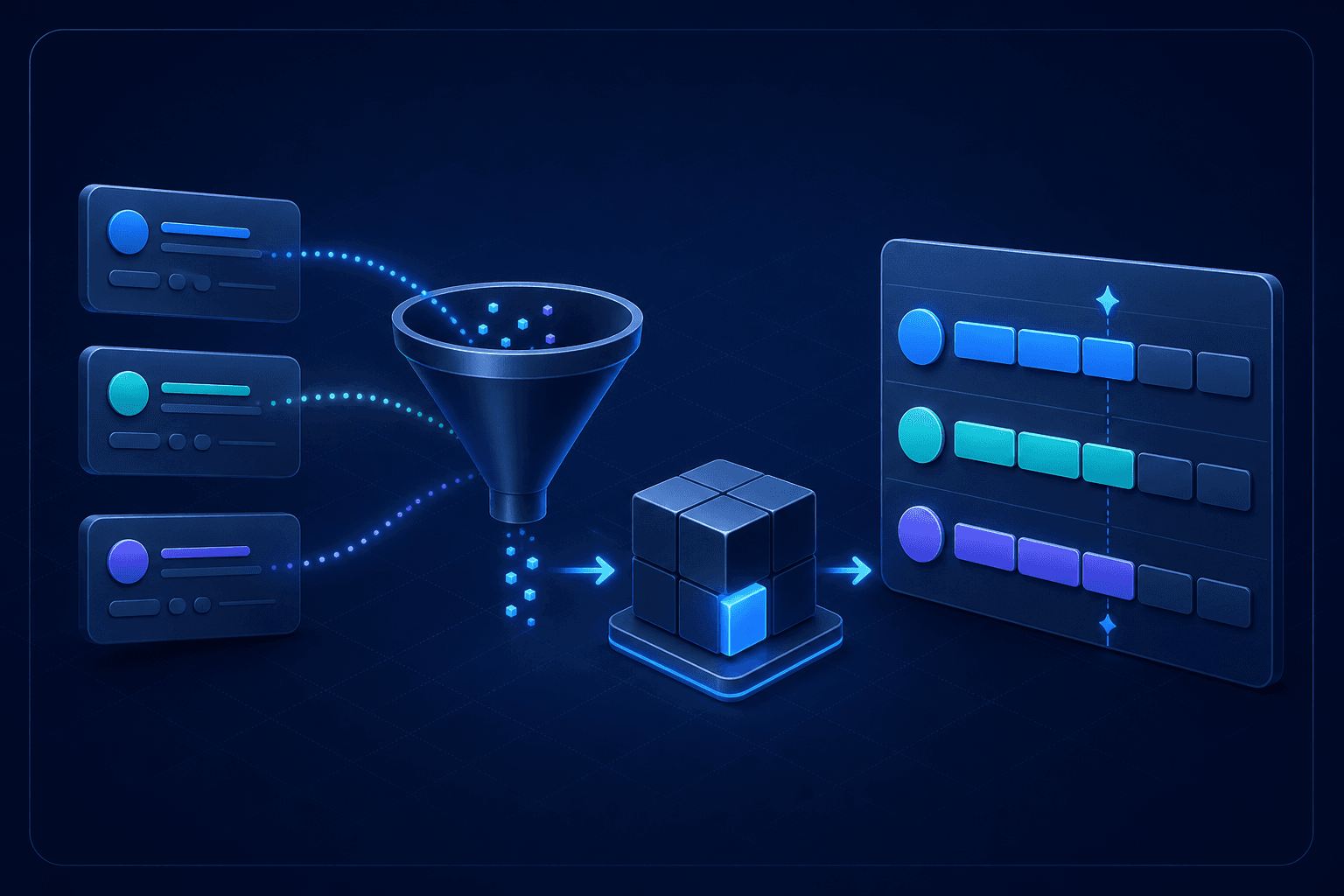
Gathering Early Feedback
Strong launch teams answer questions, collect objections, and turn early comments into product insight.
Read the guide
Launch Tips
Run launch day with clearer copy, coordinated updates, fast responses, and practical tracking.
Read the guide
Sustaining Momentum
A launch is the beginning of a distribution loop, not the finish line. Follow-up matters.
Read the guideMore launch guides for founders
Practical evergreen guides for better launch readiness and stronger follow-up.
Free vs Paid Launch Platforms
Compare free and paid launch platforms without hype. Evaluate audience quality, onboarding burden, discoverability, and long-term leverage before choosing.
Read the guideGuide 2
Find Design Partners
Learn how to recruit design partners, define clear commitments, and build launch feedback loops that catch major product issues before public release.
Read the guideGuide 3
Run a SaaS Beta Test
Run a controlled SaaS beta that surfaces real behavior, measures meaningful signals, and prevents launch day surprises.
Read the guideGuide 4
Write Launch Messaging
Write launch messaging that gets read quickly, clarifies the target outcome, and helps qualified visitors know what to test, pay for, or try next.
Read the guideGuide 5
Collect Testimonials Before Launch
Collect launch testimonials before announcement by setting expectations, automating permission checks, and publishing proof that reflects real usage outcomes.
Read the guideGuide 6
Post-Launch Follow-Up Checklist
Build a post-launch follow-up checklist that keeps conversations active, closes the feedback loop, and turns support requests into measurable progress.
Read the guideGuide 7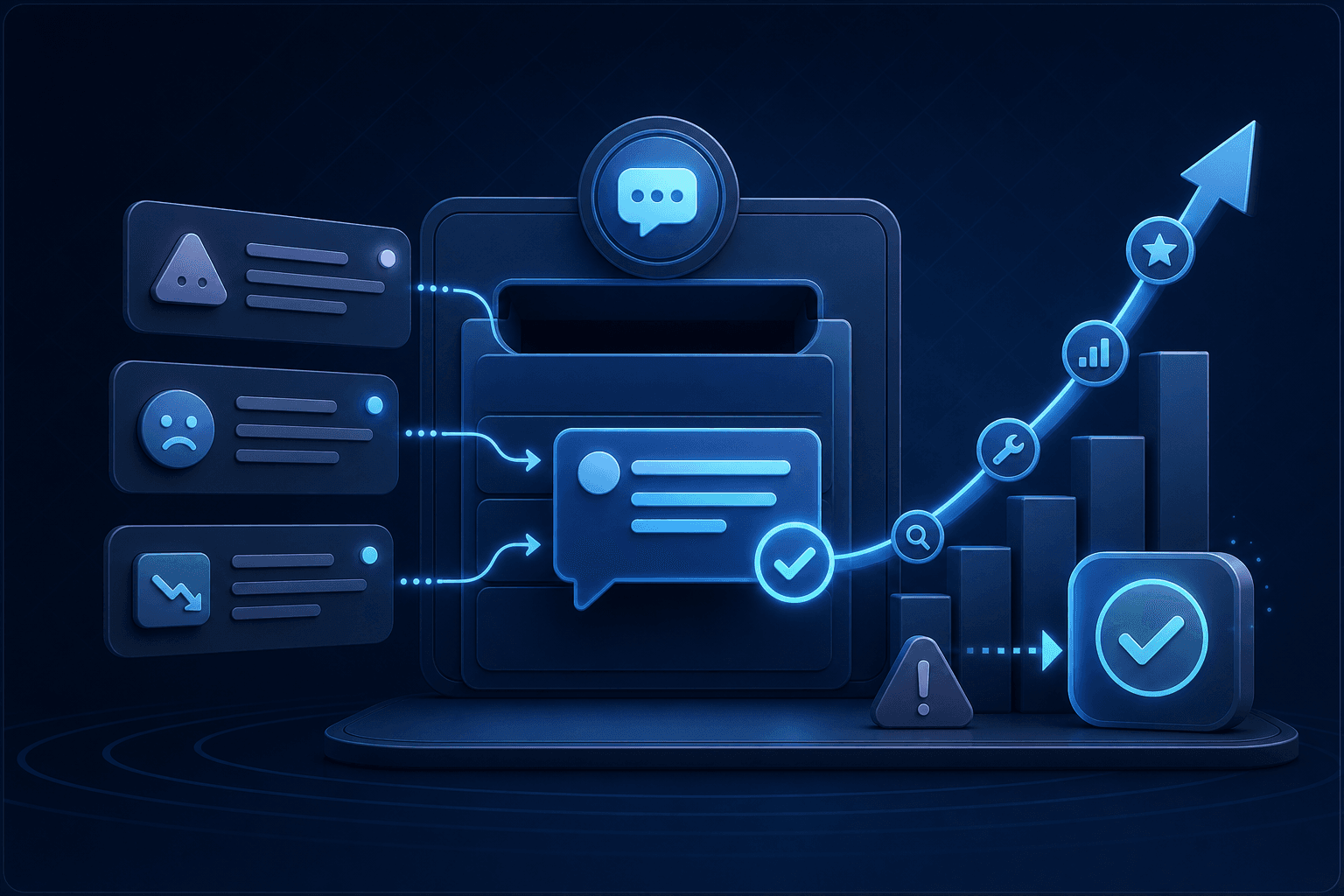
Handle Negative Product Feedback
Handle negative product feedback without panic by triaging by signal type, responding with empathy, and turning repeated objections into shipping priorities.
Read the guideCommon questions
Quick answers to the launch questions makers ask most often.
Yes. Crowdstax launch submission surfaces are prepared for real builder submissions without pay-to-rank mechanics.
Makers submit products for review. Approved listings can appear across Crowdstax discovery surfaces where visitors browse, discuss, and evaluate them.
Crowdstax is a builder media and product-discovery ecosystem for internet products, tools, startups, resources, and practical launch stories.
Choose the day when your page, assets, and response plan are ready. Clear positioning and a responsive maker matter more than timing tricks.
Submit when the product page, logo, tagline, website, description, and maker context are clear enough for review.
A later launch should be tied to meaningful product changes, clearer positioning, or a substantial update.
Prepare assets, audience notes, support links, screenshots, product copy, and a response plan before the launch goes live.
Share useful context with your real audience, invite honest feedback, and avoid spam, vote manipulation, or fake engagement.